





Key Takeaways A Waco DWI charge can apply even below 0.08% BAC if officers observe signs of impaired faculties, such as slurred speech or failed field sobriety tests, and a conviction can affect your record, license, ...

Key Takeaways Intoxication assault is a serious felony in Texas, occurring when intoxication causes “serious bodily injury,” and each element can be challenged in court. Only injuries causing permanent harm, long-term impairment, or substantial risk of ...

Key Takeaways Texas DWI law prohibits driving with a BAC of 0.08% or higher for adults, 0.04% for commercial drivers, and any detectable alcohol for drivers under 21, with a BAC of 0.15% or higher triggering ...

Key Takeaways Texas defines intoxication as either a BAC of 0.08% or higher or impaired mental or physical faculties, giving prosecutors two distinct paths to secure a conviction. A first-offense DWI in Texas is a Class ...

Key Takeaways Field sobriety tests (FSTs) in Texas are voluntary, and refusing them carries no automatic legal penalty. Refusing a field sobriety test can limit evidence against you, though officers may still arrest based on observations ...

Key Takeaways Even a first-time DWI in San Antonio can lead to jail, fines, license suspension, and long-term consequences. Legal fees for first offenses typically range from $5,000 to $10,000, and rise for repeat or felony ...

Key Takeaways DWI blood tests can be wrong. Errors in collection, labeling, transport, storage, or lab analysis can compromise blood alcohol concentration (BAC) results, making them unreliable even if they appear precise. Timing matters. BAC continues ...
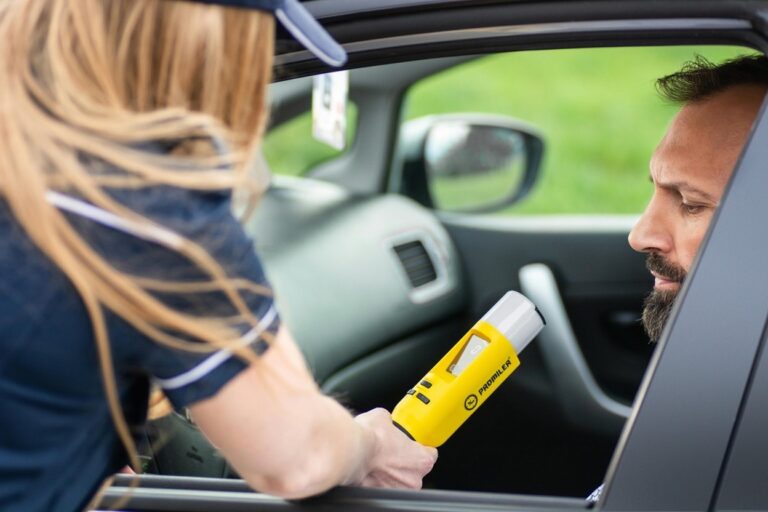
Key Takeaways Breathalyzer tests can be wrong because they estimate BAC based on breath vapor using a standard 2,100:1 conversion ratio that does not account for individual biological differences. Calibration failures, officer errors, and radiofrequency interference ...

Key Takeaways A DWI in Texas means either a BAC of 0.08% or higher or the loss of normal mental or physical faculties due to alcohol, drugs, or any controlled substance, and a charge can be ...

Key Takeaways Intoxicated manslaughter in Texas is a second-degree felony carrying 2 to 20 years in prison and fines up to $10,000 when someone causes a death while driving under the influence. Texas defines “intoxication” as ...