



Key Takeaways
- DWI blood tests can be wrong. Errors in collection, labeling, transport, storage, or lab analysis can compromise blood alcohol concentration (BAC) results, making them unreliable even if they appear precise.
- Timing matters. BAC continues to rise 30–90 minutes after drinking stops, so delayed blood draws may overstate the level of intoxication at the time of driving.
- Procedural mistakes and contamination are common. Alcohol swabs, improper storage, mislabeling, and non-sterile conditions can all artificially inflate BAC or compromise the sample.
- Blood test errors can impact a case. Falsely raised BAC readings may lead to unjust convictions, and broken chain-of-custody or lab mistakes can make results inadmissible in court.
- Experienced legal review is important. Texas Criminal Defense Group, led by Stephen Hamilton, carefully examines blood test evidence, police reports, and lab procedures to challenge unreliable BAC results and protect clients’ rights and freedom.
Yes, DWI Blood Tests Can Be Wrong
A blood test result showing a blood alcohol concentration (BAC) over the legal limit may seem decisive, but it often isn’t. Blood testing involves multiple steps: collection, labeling, transport, storage, and laboratory analysis, each of which can introduce errors, procedural mistakes, or equipment issues that compromise the result.
Courts and prosecutors treat blood tests as strong evidence. When done correctly, blood testing is generally more precise than a breath test. But the key phrase is “done correctly.” Mistakes in any step can mean the reported BAC does not reflect the alcohol in your system at the time of arrest.

How Accurate Are DWI Blood Tests?
Understanding the accuracy of blood tests is important in DWI cases, as even minor errors in collection, handling, or analysis can significantly affect the reported BAC and the outcome of a case.
Precision of Blood Tests
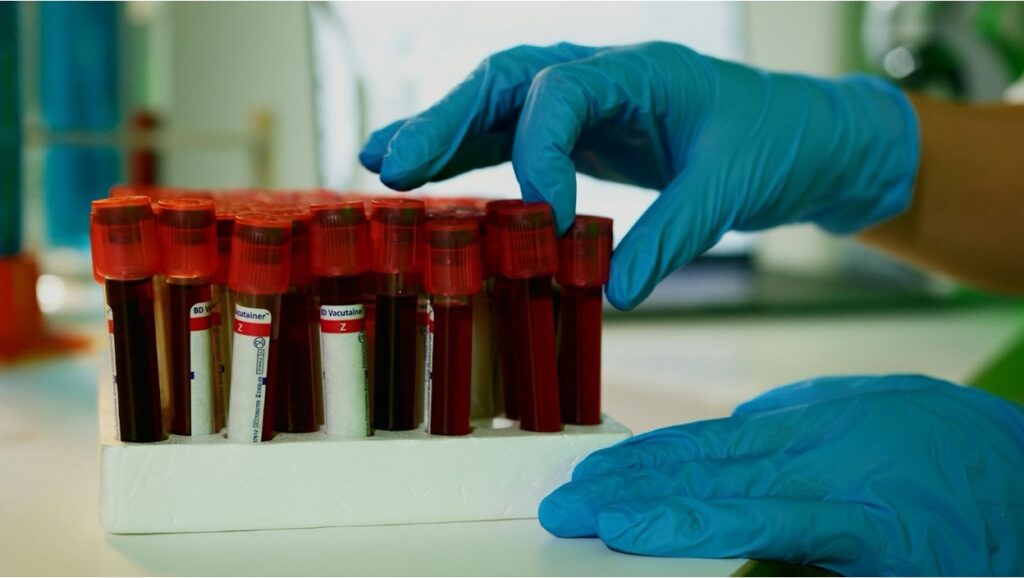
When performed correctly, blood tests can measure BAC with high precision, typically within ±0.01% of the actual alcohol level in the bloodstream. This makes them generally more reliable than other forms of chemical testing for DWI cases.
Comparison With Breath Tests
Blood tests are considered more accurate than breathalyzers, which estimate BAC from alcohol in the breath. Breath tests can be influenced by factors such as mouth alcohol, calibration issues, or certain medical conditions. In contrast, blood tests measure ethanol directly in the bloodstream, providing a more precise result when conducted correctly.
Lab Analysis: Gas Chromatography
Labs typically use gas chromatography to measure ethanol in blood samples. The method is precise, but it can’t correct for contaminated or mishandled samples. Quality control, calibration logs, and proper sample handling are critical; gaps or mistakes here can undermine the reliability of the result.
BAC Limits in Texas
- 0.08% Adult drivers; presumption of intoxication
- 0.04% Commercial drivers
- Any detectable amount, drivers under 21 (zero tolerance)
- Above 0.15% Enhanced DWI penalties
Even without a BAC over 0.08%, other evidence of impairment can support a DWI. Accuracy in obtaining that number is often the key focus in building a defense.
Common Errors That Make DWI Blood Tests Inaccurate
A DWI blood test involves several steps and multiple people handling the evidence, from the officer at the scene to the medical professional drawing the blood, the transport process, storage, and finally the lab analysis. Each stage creates the potential for mistakes that can affect the accuracy of the result.
1. Timing Issues: Your BAC May Rise After You Stop Drinking
Alcohol is absorbed gradually. After someone stops drinking, BAC can continue rising for 30–90 minutes as alcohol in the digestive system enters the bloodstream. If blood is drawn well after the traffic stop, the test may reflect a higher BAC than what was present while the person was driving.
2. Alcohol Swabs Used During Blood Draw
Before a blood draw, the skin must be cleaned. For forensic testing, protocols typically require a non-alcohol-based antiseptic. If an alcohol swab is used instead, ethanol near the puncture site could contaminate the sample and affect the reported BAC level.
3. Improper Storage & Fermentation
Blood samples must be sealed and stored correctly, often under refrigeration. If a sample is left unrefrigerated or handled improperly, bacteria can produce ethanol through fermentation, which may increase the BAC reading after collection.
4. Mislabeling or Chain-of-Custody Errors
Every sample must be clearly labeled and tracked through the chain of custody. If labeling mistakes occur or documentation is incomplete, a sample could be confused with another person’s, raising questions about the reliability of the evidence.
5. Non-Sterile Collection Conditions
Blood draws require sterile equipment and properly prepared collection tubes containing preservatives and anticoagulants. If tubes are expired, contaminated, or missing required chemicals, the integrity of the sample can be compromised.
How These Errors Can Impact Your DWI Case
Even minor mistakes in blood testing can undermine the reliability of BAC evidence, which prosecutors often rely on heavily. Procedural errors or mishandling can significantly reduce the weight of this evidence.

A False Positive Can Lead to an Unjust Conviction
A falsely raised BAC can make it appear a driver was legally intoxicated, even if their actual level at the time of driving was lower. Blood test results carry strong persuasive weight with juries because they seem scientific and objective.
Contaminated Results May Be Inadmissible in Court
Criminal evidence must meet strict legal standards. Broken chain of custody, improper storage, or lab errors can render blood test results questionable or even inadmissible, giving defendants a strong defense.
A Flawed Blood Test Does Not Have to Define a Case
BAC results are only as reliable as the methods used to collect, store, and analyze the sample. Reviewing police reports, lab records, and testing procedures can reveal errors that may significantly weaken the prosecution’s evidence. Understanding these potential mistakes allows defendants to evaluate evidence critically and build an effective defense.
Texas Criminal Defense Group: Your Ally in DWI Cases

DWI blood tests can appear precise, but errors in timing, handling, contamination, or lab procedures can produce misleading BAC results. Even small mistakes can impact accuracy, making careful review essential to ensure the evidence reflects your true condition.
At Texas Criminal Defense Group, led by Stephen Hamilton (board-certified in criminal law with 27 years of experience), we examine every detail, from police reports to lab procedures, to uncover errors. With statewide offices and a forensic-driven approach, we challenge unreliable results and protect your rights, license, and future.
Schedule Your Free Consultation
Frequently Asked Questions (FAQs)
Can my BAC reading be higher than my actual level while driving?
Yes. Timing delays, fermentation, contamination, or improper handling can all lead to a BAC reading that does not accurately reflect your condition at the time of driving. For example, if blood is drawn 30–90 minutes after your last drink, the result may capture your peak BAC rather than your level while behind the wheel.
How long after arrest can blood be drawn?
There is no strict universal cutoff, but the timing can significantly affect the accuracy of the reading. Delays caused by hospital transport, accidents, or processing can make the BAC higher or lower than it was during driving. Defense attorneys often analyze this timeline to determine whether retrograde extrapolation is needed to estimate your BAC at the time of arrest.
Can I refuse a blood test in Texas?
Texas operates under implied consent laws, meaning that by driving, you have legally agreed to submit to chemical testing if arrested for DWI. Refusing a blood test can result in automatic license suspension. In many cases, law enforcement can obtain a warrant to draw blood regardless of consent.
How do I know if my blood sample was mishandled?
Determining mishandling requires careful review of lab reports, chain-of-custody documentation, and storage records. Look for gaps in signatures, temperature logs, or missing preservatives in collection tubes. Experienced DWI attorneys often collaborate with forensic toxicologists to identify errors that could make the blood test evidence unreliable in court.
What makes a blood test inadmissible in court?
Blood test results can be challenged if there are errors or violations during the collection, handling, or analysis process. Common issues include a broken chain of custody, improper storage or refrigeration, contamination from alcohol swabs, expired collection kits, or lab procedural mistakes. Any of these issues can lead to a judge suppressing the evidence entirely.
As the team at Texas Criminal Defense Group, we know exactly where to look for these errors and how to present them effectively in court. Our expertise allows us to provide guidance early, making a critical difference in challenging unreliable blood test results.
*Disclaimer: This article is provided for informational purposes only and does not constitute legal advice. Reading this content does not create an attorney-client relationship. For advice regarding your specific situation, please contact Texas Criminal Defense Group.