

Key Takeaways
- Breathalyzer tests can be wrong because they estimate BAC based on breath vapor using a standard 2,100:1 conversion ratio that does not account for individual biological differences.
- Calibration failures, officer errors, and radiofrequency interference can all produce inaccurate readings, and maintenance records are not always up to date.
- Medical conditions such as diabetes, GERD, and chronic lung disease can cause a breathalyzer to register elevated BAC levels even when the person tested has consumed little or no alcohol.
- Everyday substances, including mouthwash, breath sprays, and fermented foods, can introduce mouth alcohol that inflates test results well beyond a person’s actual BAC.
- Texas Criminal Defense Group, led by Board Certified attorney Stephen Hamilton, works with an in-house forensic toxicologist to examine every breath and blood test result.
Can a Breathalyzer Test Be Wrong?
Yes, a breathalyzer test can be wrong, and it happens more often than most people realize. When a police officer pulls you over on suspicion of intoxication, a breathalyzer is typically the first tool used to estimate your blood alcohol concentration (BAC).
The legal limit in Texas is 0.08%, and a reading above that threshold can result in a DWI charge. But breathalyzers do not directly measure alcohol in your blood. They estimate it based on alcohol vapor in your breath, and that process is prone to several errors.
From poorly maintained devices to medical conditions that mimic intoxication, the factors that can produce an inaccurate reading are wide-ranging.

Breathalyzer Accuracy: How It Actually Measures Alcohol
A breathalyzer works by analyzing a sample of deep lung air and measuring the concentration of ethanol molecules present. The device then applies a standard conversion ratio of 2,100:1 to estimate your blood alcohol concentration based on what it detects in your breath.
This ratio assumes that 2,100 milliliters of breath contain the same amount of alcohol as 1 milliliter of blood. However, the ratio varies from person to person and even within the same individual, depending on body temperature, breathing patterns, and lung capacity.
There are two primary types of breathalyzers used in law enforcement today. Fuel cell devices use an electrochemical reaction to detect ethanol, while infrared spectroscopy devices identify alcohol based on how it absorbs infrared light.
Both are considered more reliable than older models, but neither is immune to error. Infrared devices, in particular, can be triggered by other compounds that share a similar molecular structure to ethanol, including acetone produced by individuals with diabetes.
Calibration Errors Are More Common Than You Think
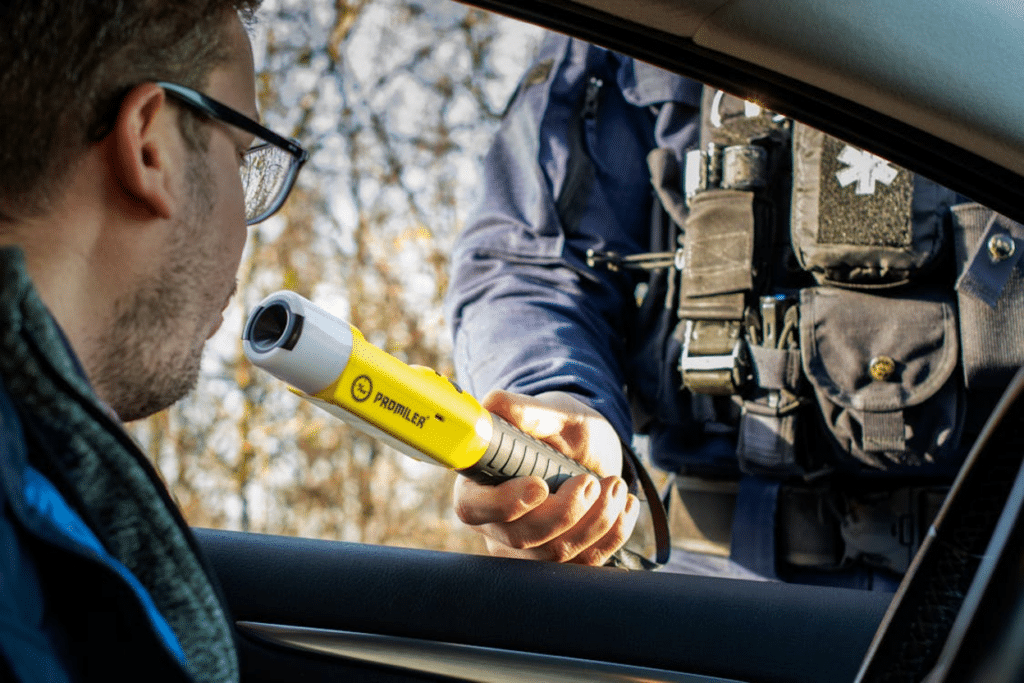
In Texas, calibration logs should be maintained and made available for legal review. When those logs show gaps, inconsistencies, or missed service intervals, it directly undermines the credibility of any test result produced by that device.
Breathalyzer results can vary at least 15% from actual BAC, and an improperly calibrated device can widen that margin further. For someone near the 0.08% legal limit, that margin is significant. A device reading 15% high could show a 0.092% on someone whose true BAC falls below the legal threshold.
Every breathalyzer used in law enforcement should have a complete maintenance and calibration log. In a DWI case, requesting these records is one of the first steps an experienced defense attorney should take.
If the device was overdue for calibration, had a known fault, or was serviced by an uncertified technician, those facts can be used to challenge the admissibility of the test result in court.
Medical Conditions That Cause False High BAC Readings
Diabetes & Ketoacidosis
Several medical conditions can cause a breathalyzer to register elevated BAC levels even when the person tested has consumed little or no alcohol.
Individuals with Type 1 or Type 2 diabetes may produce acetone through a process called ketoacidosis, and many breathalyzer devices cannot reliably distinguish acetone from ethanol because the two molecules absorb infrared light at similar wavelengths.
A person experiencing diabetic ketoacidosis could register a BAC well above 0.08% without having consumed any alcohol. Similarly, those following a ketogenic diet produce ketones that can trigger the same misreading.
Acid Reflux & GERD
Gastroesophageal reflux disease (GERD) creates another common source of error. Reflux allows stomach contents, including any residual alcohol, to travel into the esophagus and mouth.
This deposits alcohol directly in the upper airway, where the breathalyzer collects its sample, producing a reading based on mouth alcohol rather than blood alcohol. Officers are trained to observe a waiting period before administering a test, but if reflux occurs during or just before that window, the contamination remains.
Lung Conditions
Lung conditions such as asthma and chronic obstructive pulmonary disease (COPD) can also affect results.
These conditions may prevent a person from producing a consistent deep-lung breath sample, causing the device to collect a mixture of mouth air and alveolar air that distorts the reading.
In any of these situations, documented medical history becomes an important piece of evidence when evaluating the reliability of a breath test result.
Everyday Substances That Trigger False Positives
Mouthwash & Oral Hygiene Products
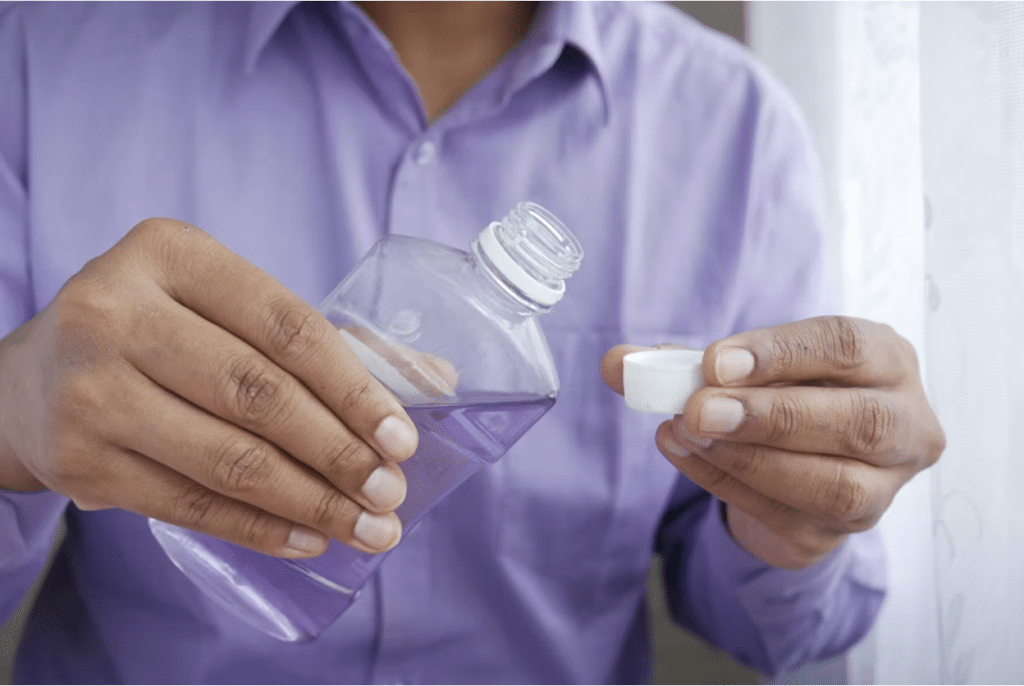
Many popular mouthwashes contain between 14% and 27% alcohol by volume. Using mouthwash just minutes before a traffic stop can leave enough residual alcohol in the mouth to produce a significantly elevated BAC reading.
Breath sprays, certain toothache gels, and some lip balms with alcohol-based ingredients carry the same risk. The mandatory observation period before testing exists to allow mouth alcohol to dissipate, but that window is not always properly observed.
Certain Foods & Diets
Fermented foods like kombucha, ripe bananas, certain breads, and protein bars made with natural fermentation processes can contain trace amounts of alcohol that register on sensitive breathalyzer devices.
People following strict low-carbohydrate or ketogenic diets face a separate risk. The metabolic state of ketosis causes the body to produce acetone, which breathalyzer sensors can misidentify as ethanol. This is a recognized challenge in forensic toxicology.
Mouth Alcohol vs. Blood Alcohol
Blood alcohol content measures the actual concentration of ethanol in the bloodstream. Mouth alcohol refers to ethanol or similar compounds present in the oral cavity, throat, or esophagus that have not been absorbed into the blood. A breathalyzer is designed to measure the former but can easily capture the latter.
When that happens, the reading can be significantly higher than the actual BAC. The 2,100:1 partition ratio the device uses to convert breath alcohol to blood alcohol assumes the sample is pure alveolar air.
Any contamination from the mouth compromises that calculation. Forensic experts consistently identify mouth alcohol contamination as one of the leading causes of falsely elevated breath test results.
Officer Errors That Compromise Breathalyzer Results
Skipping the Mandatory Observation Period
Before administering a breath test, officers are required to observe the subject continuously for a minimum of 15 minutes to ensure they do not eat, drink, smoke, burp, or vomit.
This waiting period exists to prevent mouth alcohol contamination. If an officer skips this step, shortens it, or fails to document it properly, the integrity of the test result comes into question.
Improper Device Operation
Breathalyzers require specific handling procedures, including warm-up time, proper mouthpiece installation, and correct sample collection technique.
An officer who rushes the process, uses a damaged mouthpiece, or fails to account for environmental factors like extreme temperatures may compromise the result. In outdoor settings, temperature fluctuations alone can affect how the device reads the breath sample.
Radiofrequency Interference
Radiofrequency interference (RFI) is another documented source of error. Police radios, mobile phones, and nearby electronic equipment can interfere with certain breathalyzer models, producing erratic or elevated readings.
Some devices have built-in RFI detectors, but older models may not, and whether the officer’s radio was transmitting during the test is a relevant factor when evaluating the accuracy of the result.
Fight Your DWI Breath Test with Texas Criminal Defense Group

Calibration records, operator certifications, maintenance logs, and medical history all affect whether a breathalyzer result is reliable. Most people never review them. We do. Led by Stephen Hamilton, a Board Certified attorney with 27 years of experience, we take a science-based approach.
At Texas Criminal Defense Group, we review police reports, video footage, and transcripts, while our in-house forensic toxicologist evaluates breath and blood test evidence for errors. With offices across Texas, we handle license hearings and criminal cases. Contact us for a free consultation.
Schedule Your Free Consultation →
Frequently Asked Questions (FAQs)
Can you fail a breathalyzer test without drinking alcohol?
Yes. Medical conditions like diabetic ketoacidosis and GERD can produce compounds that breathalyzer sensors misidentify as ethanol. Everyday products like mouthwash, breath spray, and certain fermented foods can also trigger false positives.
A poorly calibrated device or improperly administered test can produce elevated readings entirely independent of actual alcohol consumption.
How accurate are roadside breathalyzers compared to station devices?
Roadside breathalyzers, often called preliminary alcohol screening (PAS) devices, are generally considered less accurate than the larger evidential breath testing machines found at police stations.
In Texas, the Intoxilyzer 9000 is the standard evidential device and carries more weight in court. However, station devices still require rigorous calibration, certified operators, and controlled testing conditions to produce reliable results.
Can a defense attorney challenge a breathalyzer result?
Yes. Defense attorneys challenge breathalyzer results by examining the reliability of the device, the qualifications of the operator, the conditions of the test, and any physiological factors unique to the individual.
A documented medical condition, a device with gaps in its calibration records, or an officer who failed to follow proper procedure can each raise questions about the accuracy of the result.
How long after drinking can a breathalyzer detect alcohol?
A breathalyzer can typically detect alcohol for up to 12 to 24 hours after the last drink, depending on the amount consumed, metabolism, and body weight. However, the window during which BAC exceeds the legal limit is generally much shorter.
One frequently overlooked factor is the absorption phase, where BAC is still rising, meaning a test administered shortly after drinking may reflect a higher BAC than what was present while the individual was driving.
What makes Texas Criminal Defense Group different in challenging breath test evidence?
Most DWI attorneys accept breath test results at face value. At Texas Criminal Defense Group, we don’t. The lead attorney, Stephen Hamilton, is board-certified in Criminal Law by the Texas Board of Legal Specialization and brings over 27 years of DWI defense experience to every case.
Our firm also has an in-house forensic toxicologist who reviews the scientific basis of breath and blood test evidence. That combination of legal experience and scientific resources is what separates Texas Criminal Defense Group from firms that treat a breath test as the final word.
*Disclaimer: This article is provided for informational purposes only and does not constitute legal advice. Reading this content does not create an attorney-client relationship. For advice regarding your specific situation, please contact Texas Criminal Defense Group.