




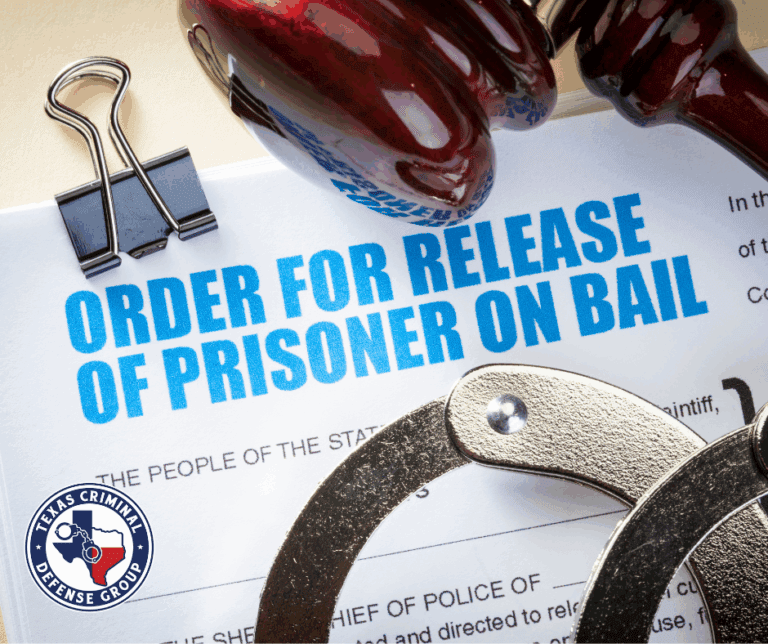
Bail is often the first step toward freedom while waiting for a court date. But can bail be revoked in Texas after it’s granted? Yes, and it happens more often than many realize.Revocation doesn’t just put ...

When a minor is accused of a sex offense in Texas, the fear and confusion can be overwhelming for both the child and their family. One of the first, most pressing questions people ask is: Will ...
When someone faces criminal charges in Texas, their mental health often plays a bigger role in the courtroom than most people realize. Mental incapacity in sentencing is not just a technical legal term—it’s a critical factor ...

Being involved in a crime doesn’t always mean you committed it yourself. Aiding and abetting in Texas is a serious legal matter that can lead to the same punishment as the person who actually committed the ...

Facing prison time is overwhelming, not just for the person sentenced but for their loved ones too. The biggest question on everyone’s mind is often the same: Is there any way to get out sooner? In ...

When it comes to criminal charges in Texas, what seems more dangerous isn’t always treated more harshly by the law. For example, many assume that getting caught with a weapon would carry more serious consequences than ...

When someone is released from prison or a rehab facility, going straight back to regular life isn’t always an option. That’s where halfway houses in Texas come in. These structured living environments act as a stepping ...
Being falsely accused of child abuse is one of the most terrifying things a parent, or anyone, can face. One day you’re living your life, and the next you’re being investigated, questioned, or even kept from ...

Prescription drug abuse doesn’t always start with bad intentions. For many people, it begins with a real medical need, including pain relief after surgery, anxiety medication, or treatment for ADHD. But when the use crosses the ...

If you’ve ever wondered what types of crimes can land someone on the sex offender registry in Texas, you’re not alone. Whether you’re doing personal research or seeking legal help for yourself or someone close to ...